01
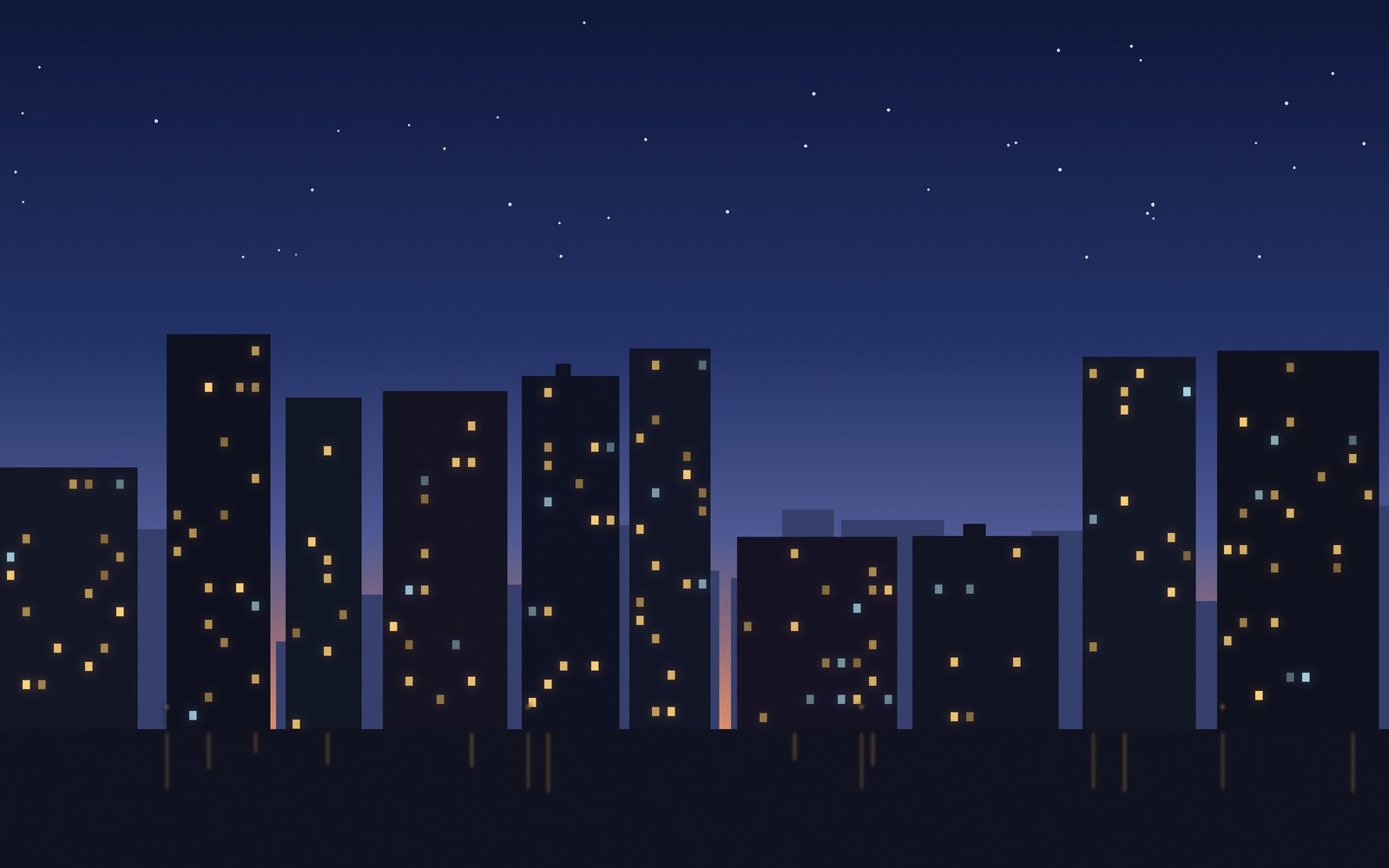
Blue Hour Arrivals: Photographing a New City on the Night You Land
An evening flight into a strange city is a gift most photographers sleep through.
Section
Working on the ground: dawn shoots in the bosque, high-desert light, balloon mornings, one-bag camera kits, and the first night in an unfamiliar city.
Afield is the other half of the journal: the photographs that begin the moment you step off the plane and out of the terminal. It is about working on the ground in an unfamiliar place, and about the light in the one place I know best, the high desert around Albuquerque, where I have learned most of what I trust.
The through-line is patience. On the ground you cannot blame the window or the seat; the only variables left are where you stand, when you arrive, and how long you are willing to wait. These essays return to that discipline again and again: scouting the light before you need it, showing up early, and letting the picture come to you instead of chasing it. I learned it from the geese, an hour south of my house, where the only way to photograph ten thousand birds leaving at once is to be sitting in the right place, in the cold, before they decide to go.
Some of these pieces are about arrival. The first night in a new city, when everything is still strange enough to photograph and blue hour hands you twenty forgiving minutes between the streetlights and the last of the sky. Others are about the knowledge that only comes from staying: what altitude and dry air do to color, why dawn and dusk stretch longer over the high desert, how a balloon field fills and empties and what is worth photographing after the crowd has gone.
A few are simply about being ready to move, so that nothing you own becomes a reason to stay in the room. The kit essays name no brands, because the point is never the object; it is carrying so little to think about that the camera disappears and only the seeing is left.
Taken together, Afield is an argument that the best travel photographs are rarely the famous views. They are the ordinary hour, in ordinary light, seen by someone who bothered to be awake and in position for it. The essays cover a handful of recurring situations:
None of it depends on equipment you do not already own, and none of it depends on luck. It depends on the same wager, placed over and over: work out where the light will be, put yourself in front of it early, and wait. Where an essay states a checkable fact, such as a refuge's access or the behavior of a season, it points you to the public source that keeps that fact current, because the desert and its wildlife keep their own schedule and update it without asking me.
There is also a rhythm to the ground work that the flying half does not have. Aloft, the picture is largely decided by the time you board; afield, you can go back. If a dawn fails, there is another one tomorrow, from the same spot, with a little more knowledge than you had. Much of what these essays teach is simply the willingness to return, to treat a place as something learned over several visits rather than captured in one, and to let the failed mornings count as scouting rather than waste.
Read the essays in any order. Each one stands alone, and each ends with a short field note you can carry out the door before dawn. Take what is useful, leave the rest, and go stand somewhere quiet until the light arrives.
An evening flight into a strange city is a gift most photographers sleep through.
After years of packing for imaginary photographs, I now travel for a week out of one small bag: a body, two lenses, and a charging kit that fits in a fist.
Every October my city fills with balloons, and every October I relearn the same lesson: the picture happens before sunrise, not after.
At a mile of elevation, New Mexico's air is thin, dry, and mostly empty, and the light behaves accordingly.
Every winter I drive an hour south of Albuquerque in the dark to stand on a frozen deck and wait for the snow geese to leave the water.