01

Flying With Cameras: Getting Your Kit Onto the Plane Intact
A camera survives a flight the same way a photograph survives editing: by deciding early what actually needs to be there.
Section
Making photographs in the air: cabin windows and the physics of shooting through them, picking a seat for the light, airports as subjects, and the earth as abstract art from cruising altitude.
Aloft collects everything I have learned about making photographs while I am still in motion: in the seat, at the window, and in the strangely lit hours of an airport between flights. It is the half of the journal that treats the trip itself as the subject, rather than the dull interval before the subject begins.
Most travelers file the flight under lost time. They pull the shade, open a laptop, and wake up somewhere else. I have come to think of a window seat as the cheapest studio I own. From cruising altitude the ground stops being scenery and becomes pattern, and the light that pours through a small curved window is directional, clean, and completely free. These essays are about learning to see that light, and, just as important, learning to work around the constraints that make it hard to use.
The physical problem is real. You are shooting through two or three layers of scratched, curved acrylic, from a moving platform, in a seat you did not entirely choose, beside a stranger who would prefer the shade down. Half of these pieces are about solving that: working close to the glass to kill reflections, focusing past the scratches, holding a usable shutter speed against the airframe's buzz, and choosing a seat at booking so the light falls where you want it.
The other half is about seeing. Reading a river as a line and a field as a shape. Knowing when climb and descent will hand you texture and long shadows, and when flat midday cruise turns the world into abstraction worth photographing on its own terms. Treating a layover not as an ordeal to be endured but as a quiet, evenly lit room full of people who have forgotten they can be seen.
A word about airports, because they earn their own essay. A terminal is one of the few public rooms built only to move people through it, which means it is full of directional glass, long sightlines, and travelers so absorbed in departure that they stop performing for the room. Learn to see it and a layover stops being wasted time. That single shift, from waiting to watching, is much of what this section is trying to teach.
The essays in Aloft move from the practical to the perceptual. Some are close to checklists you can act on tomorrow: how to get a camera and its batteries onto an aircraft without drama, how to pack a bag that fits the cabin and still holds what you need, which seat to request once you know the route and the hour. Others are slower, and closer to a way of thinking: how to read farmland and coastline as pure composition, how to anticipate the two brief windows near takeoff and landing when the ground still has detail, how to spend a long connection making pictures instead of counting minutes.
Underneath all of them runs the conviction that carries the whole journal: light and patience matter more than gear. A picture made through a scratched window with a modest lens, at the right minute, beats a sharp one made at the wrong minute every time. Where an essay touches a rule that can change, such as what you may carry into a cabin or how a screening line treats a spare battery, it points you to the current official source rather than to my memory of it, because those rules are rewritten far more often than essays are.
These are the methods I actually use, written the way I wish someone had written them for me two decades ago: specific, unhurried, and free of anything you have to buy. Read the pieces in any order; each one stands on its own and ends with a short field note you can carry onto the plane. Take what is useful, ignore the rest, and go find your own window.
A camera survives a flight the same way a photograph survives editing: by deciding early what actually needs to be there.
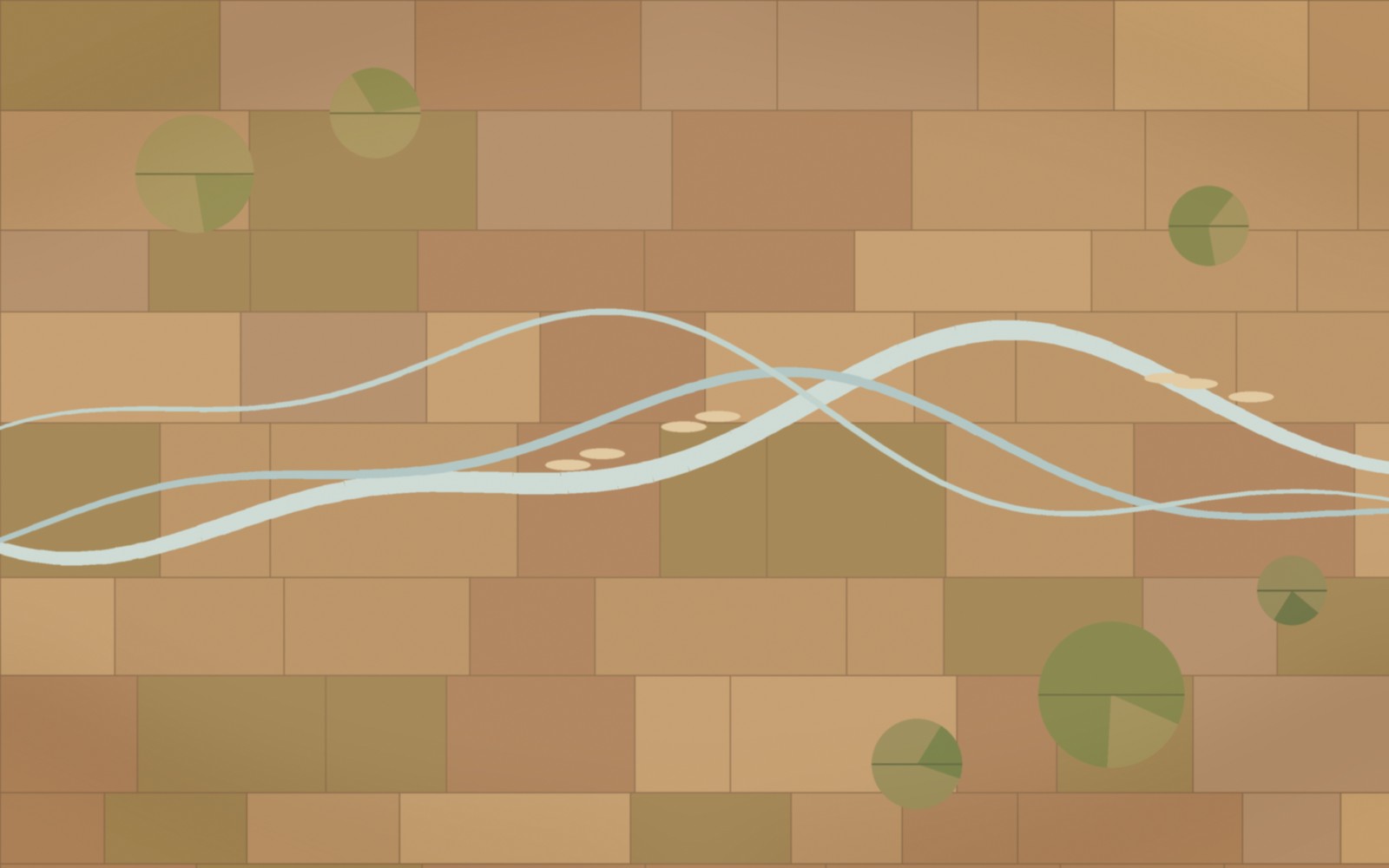
From 35,000 feet the ground stops being scenery and becomes composition - braided rivers, irrigation circles, salt flats, mountain shadow.
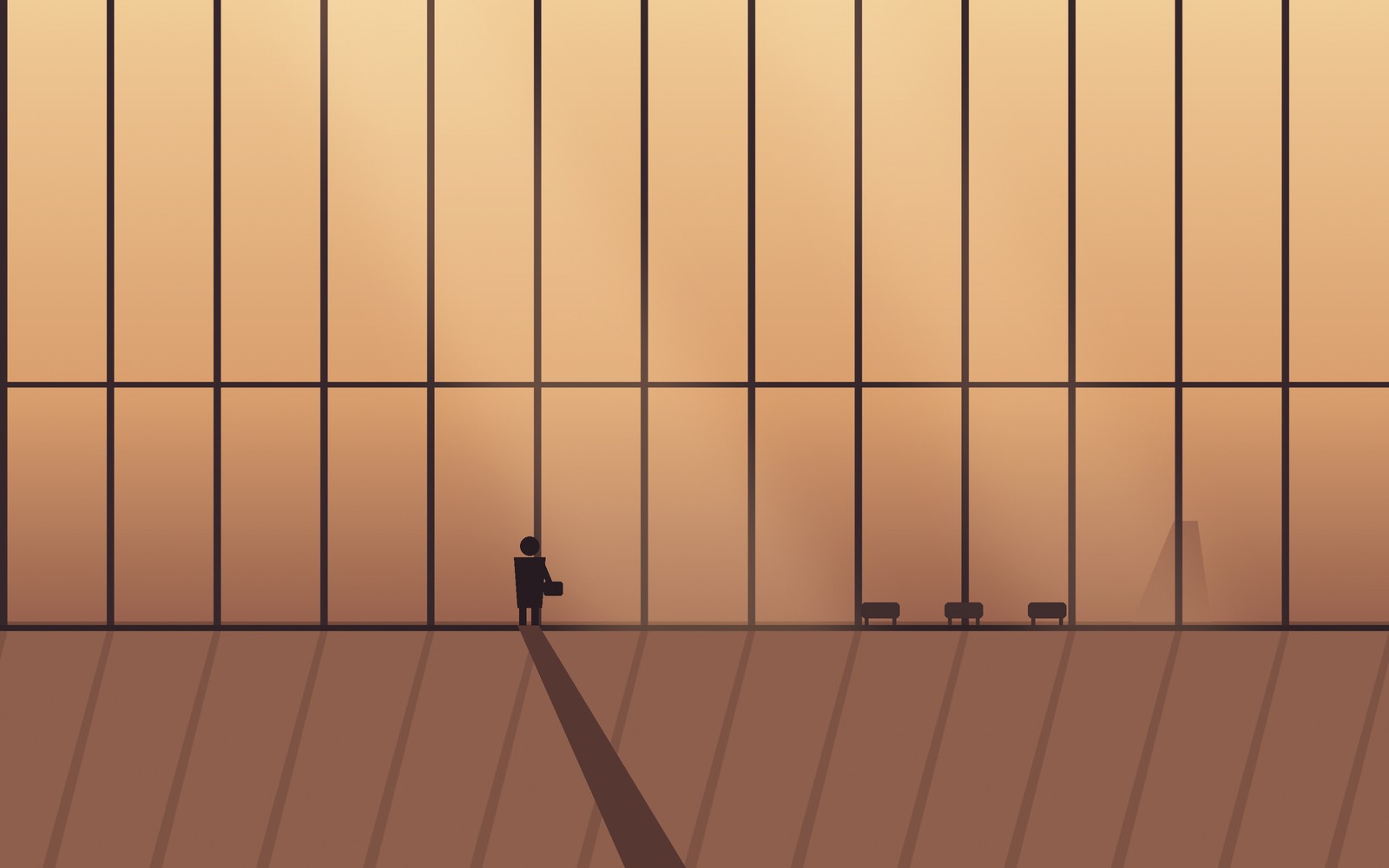
A layover is not dead time; it is hours inside one of the largest light modifiers ever built.
Which side of the airplane you sit on decides whether you spend the flight photographing glare or light.
The cabin window is the one lens element you never get to choose.